 The shift from late winter to early spring happens in a blink and it’s already time to think about Getting Ready for Planting and Grazing Season in Georgia. One moment you are breaking ice on water troughs, and the next, you are seeing the first hints of green on the hillsides. This transition, typically happening in late February and March, is a critical window for farmers and livestock owners. The work you put in now directly impacts the productivity of your fields and the health of your animals for the entire year.
Preparation is the key to a successful season. This period is your opportunity to get ahead, ensuring that when the soil is just right, you are ready to plant and your pastures are primed for grazing. This guide provides practical planting season tips and grazing season preparation advice to help you make the most of this crucial time. From soil health to seed selection, we will cover the essential steps to set your farm up for success.
Step 1: Evaluate and Prepare Your Soil
Everything starts with the soil. The acidic clay that characterizes much of North Georgia requires careful management to become a productive foundation for your crops and pastures. Early spring, before the heavy growth begins, is the perfect time to give your soil the attention it needs.
Test Your Soil
Before you apply any lime or fertilizer, you need to know what you are working with. A soil test is the single most important tool for effective soil management. It provides a detailed report on your soil’s pH level and nutrient content, taking the guesswork out of amendments. You can get soil test kits and receive guidance on how to use them, which will help you create a precise plan for what your land truly needs. Applying the wrong products wastes money and can even harm your soil’s health.
Apply Lime and Early Fertilizers
Based on your soil test results, now is the time to act. Most North Georgia soils will benefit from an application of lime to raise the pH. An optimal pH allows plants to absorb nutrients from the soil more efficiently. Applying lime in late winter or early spring gives it time to start working before the peak growing season.
You can also apply foundational fertilizers, like phosphorus and potassium, as recommended by your soil test. These nutrients move slowly through the soil profile, and an early application ensures they are available when your plants need them.
Cherokee Feed & Seed offers several types of fertilizer, lime and special order nutrients for your soil. We invite you to come in to the store or contact us to speak with a fertilizer product specialist to keep your pastures green. Fertilizer Spreader and Seeder Tubs are also Available.
Step 2: Select the Right Seeds for Your Goals
With your soil prepped, the next step is choosing the right seeds. Your selection will depend on whether you are establishing a new pasture, overseeding an existing one, planting a hayfield, or starting a garden.
For Pastures and Hayfields
When it comes to forage, you want resilient and productive varieties that thrive in our local climate.
- Fescue: This is a popular, durable cool-season grass that provides excellent grazing in the spring and fall. It is a reliable choice for many livestock operations.
- Bermuda Grass: As the weather warms, Bermuda grass will begin to flourish. It is a warm-season perennial that offers high-quality grazing and hay production during the summer months. Planting sprigs or seeds in the spring gives it a strong start.
- Annuals for Quick Forage: If you need to boost forage production quickly, consider planting annual ryegrass. It establishes fast and provides excellent grazing in the spring before warm-season grasses take over.
For Gardens and Food Plots
The same principle applies to your garden. Select varieties known to perform well in our region. Late February and March are ideal for planting cool-season vegetables like lettuce, spinach, kale, and carrots. It is also the perfect time to plan and purchase seeds for your warm-season crops, like tomatoes and corn, so you are ready to plant after the last frost.
Step 3: Manage Your Pastures for Optimal Grazing
Grazing season preparation involves more than just waiting for the grass to grow. Strategic management in the early spring will lead to healthier, more productive pastures throughout the year.
Walk Your Fence Lines
Winter can be tough on fences. Before you turn your animals out, walk every fence line on your property. Look for downed trees, broken posts, and loose or snapped wires. Make these repairs now while the ground is firm and access is easy. Stocking up on T-posts, insulators, and wire will ensure you can fix any issues immediately.
Implement Rotational Grazing
Avoid the temptation to turn your livestock out onto the pasture as soon as it greens up. Early grazing can damage young plants and compact wet soil, which hinders future growth. Let the grass grow to at least 6-8 inches before starting to graze.
A rotational grazing system is the most effective way to manage your pastures. By moving animals between smaller paddocks, you give the grass time to recover and regrow. This prevents overgrazing, reduces weed pressure, and extends your grazing season.
Step 4: Transition Your Livestock to Fresh Pasture
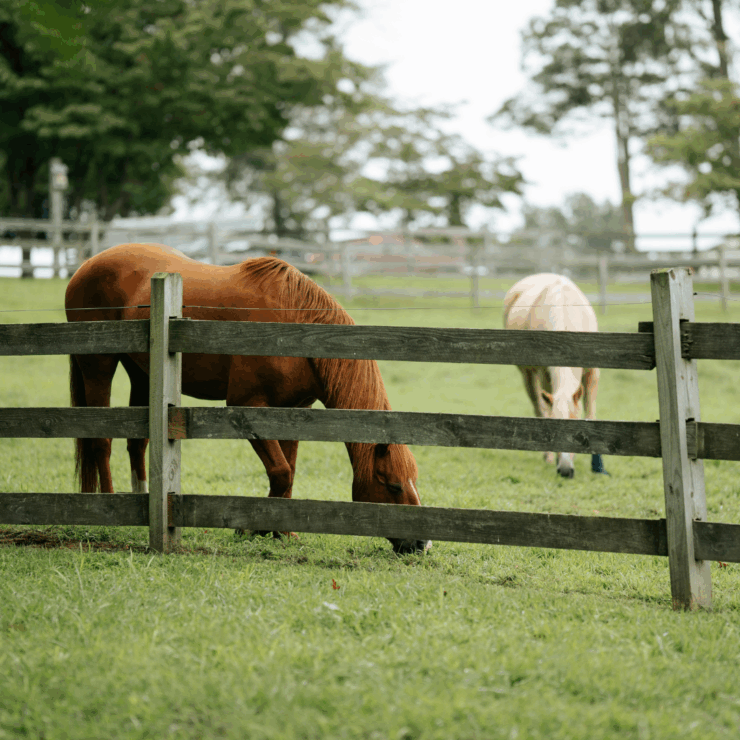
Switching your animals from a winter diet of hay to lush, green pasture requires a careful and gradual transition. The rich, moist grass of early spring is very different from dry hay, and a sudden change can lead to digestive upset, such as colic in horses or bloat in cattle.
Start by allowing your livestock to graze for just an hour or two each day. Over a week or two, slowly increase the amount of time they spend on pasture. Continue to provide hay during this transition period. This gives their digestive systems time to adapt to the change, reducing the risk of health problems. Also, ensure they always have access to fresh water and a quality mineral salt block to supplement their nutritional needs.
Your Partner for a Productive Season
The late winter and early spring represent a season of opportunity. By focusing on these planting and grazing season preparation steps, you can create a strong foundation for a healthy and productive year. From building your soil to managing your herd, every task you complete now pays dividends later.
For all your spring needs, trust Cherokee Feed and Seed. We offer a wide selection of high-quality pasture and garden seeds, custom-blended fertilizers, and all the essential farm supplies to get you started. Our expert team is here to provide practical advice tailored to North Georgia’s unique conditions. Visit us today to stock up and get ready for a successful planting and grazing season.
