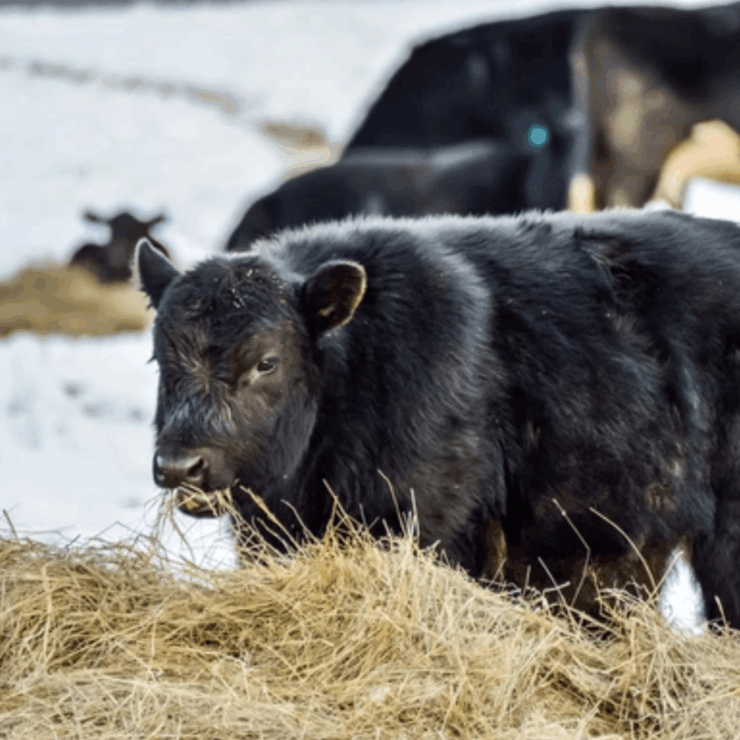
 Cold stress in livestock can be the silent threat of late winter. As winter drags on, it becomes easy to overlook the cumulative toll the cold takes on your livestock. Even in Georgia, late-season freezes can shock animals that have already burned through their autumn fat reserves. Cold stress occurs when an animal’s body temperature drops, forcing them to divert energy from growth and immune function just to stay alive.
Recognizing the Signs
Shivering serves as the first and most obvious warning. However, you must also watch for specific behavioral changes. Animals suffering from cold stress often huddle together for warmth, appear lethargic, or isolate themselves from the herd. Pay close attention to weight loss. If an animal loses body condition rapidly, their metabolic demand has exceeded their energy intake.
Prevention and Management
You can prevent cold stress by managing their environment and diet proactively. Provide ample dry bedding, as mud and moisture destroy the insulating ability of a winter coat. Windbreaks are equally vital to reduce the chill factor.
Most importantly, increase their caloric intake. Digesting fiber creates internal body heat, so providing extra high-quality hay is a simple, effective strategy. Ensure they drink plenty of water, as dehydration limits their ability to regulate temperature effectively.
Don’t let your herd slide backward now. Visit Cherokee Feed & Seed for high-energy supplements and quality forage to finish the winter strong.
