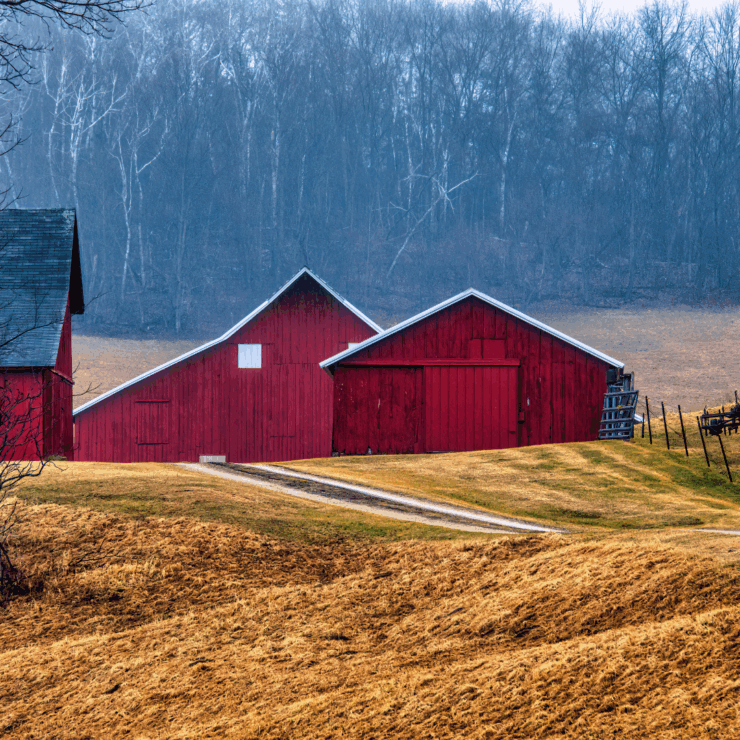
 Winter in Georgia might not bring the deep freezes of the North, but the dipping temperatures and icy winds can still pose a challenge for your farm. As the days grow shorter, your barn becomes the primary shelter and sanctuary for your livestock. A drafty, damp, or poorly prepared barn can lead to sick animals, frozen pipes, and unnecessary stress for you. Taking the time now to winterize your barn is an investment in the health and comfort of your herd.
This guide provides practical winter barn tips to help you seal up the cracks and create a warm, safe environment. By checking off these essential tasks, you can rest easy knowing your animals are protected when the first frost hits.
1. Seal Drafts but Keep Ventilation
The goal of winterizing isn’t to create an airtight box, but to manage airflow. You want to stop cold drafts that chill your animals while maintaining enough ventilation to remove moisture and ammonia fumes.
- Check the Perimeter: Walk around your barn on a windy day. Feel for drafts around windows, doors, and baseboards. Repair loose boards, replace broken window panes, and use weatherstripping to seal gaps around doors.
- Insulate Pipes: Exposed water pipes are the first thing to freeze when temperatures drop. Wrap all exposed plumbing with foam insulation or heat tape. This simple step can prevent the nightmare of burst pipes and flooded stalls.
- Maintain Airflow: Ensure your barn’s vents or cupolas are open and clear of debris. Fresh air exchange is critical for preventing respiratory issues in livestock, especially when they are spending more time indoors.
2. Secure Your Water Supply
Frozen water troughs mean dehydrated animals and a lot of extra work for you. Ensuring a reliable water source is a top priority when you prepare your barn for winter.
- Inspect Heaters: If you use tank heaters or de-icers, pull them out of storage and test them now. Check cords for any damage or fraying that could cause a short circuit or electric shock.
- Drain Hoses: Disconnect and drain all garden hoses after each use. Store them in a heated room or a dry, frost-free area to prevent them from cracking.
- Insulate Troughs: For troughs without heaters, consider insulating the sides with plywood and foam board, or partially burying them to use the ground’s warmth.
3. Deep Clean and Pest Control
As animals move indoors, pests like rodents often follow, looking for warmth and food. A clean barn is your best defense.
- Remove Clutter: Clear out old feed bags, trash, and unnecessary equipment that rodents use for nesting.
- Store Feed Properly: Keep all grain and supplements in sealed, metal containers. Plastic bins are often no match for a determined rat.
- Clean Lighting: Wipe down light fixtures and replace burnt-out bulbs. Winter mornings and evenings are dark, and you need good visibility to check on your animals safely.
Your Partner for Winter Prep
Preparing your barn for winter doesn’t have to be overwhelming. A few weekends of work can ensure a safe, warm, and functional space for your livestock all season long.
For all your winterizing needs, visit Cherokee Feed and Seed. We stock everything from pipe insulation and tank heaters to pest control solutions and premium bedding. Our team understands the specific challenges of Georgia winters and can help you find exactly what you need. Stop by one of our locations today and get your barn ready for the cold.
