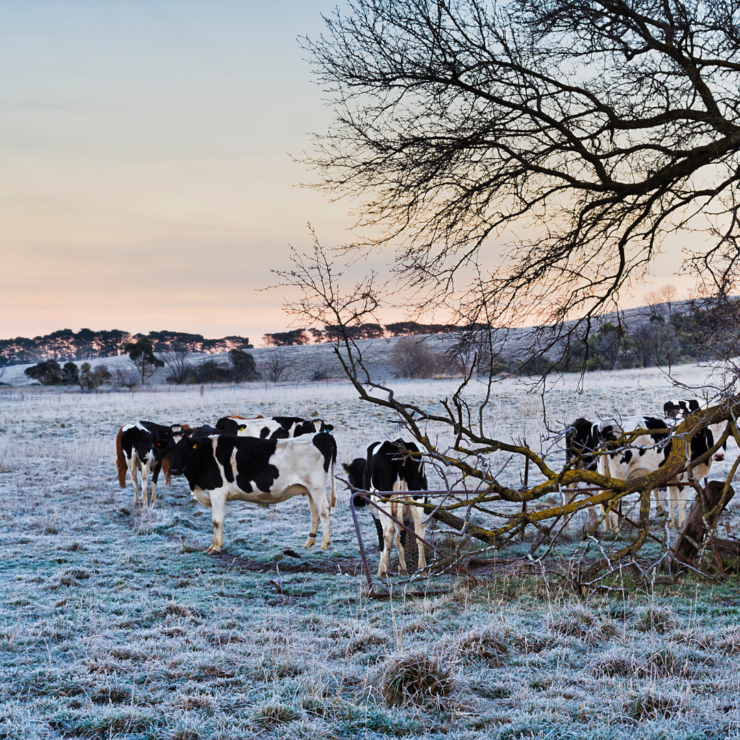
 As the crisp winter air settles across North Georgia, pastures go dormant, and the full responsibility for your animals’ nutrition shifts to you. This season demands more than just throwing hay over a fence; it requires a smart and proactive feeding strategy. During the cold months, your livestock burn significantly more energy just to stay warm. How you manage their feed can make all the difference in their health, condition, and comfort until spring returns.
Effective livestock care in winter is about providing the right fuel to stoke their internal furnace. A thoughtful approach ensures your animals not only survive the cold but thrive in it. This guide offers practical winter feeding tips to help you manage your resources, keep your animals healthy, and navigate the unique challenges of a North Georgia winter.
Why Winter Nutrition is Critical
An animal’s nutritional needs change dramatically when the temperature drops. The primary goal of their metabolism shifts from growth or maintenance to thermoregulation—the process of keeping their body warm. Hay and forage are the most important tools you have to help them with this task.
The magic is in the fiber. When horses, cattle, goats, and sheep digest fibrous forage, the fermentation process in their hindgut or rumen generates a substantial amount of heat. This internal furnace is far more effective and sustainable for warmth than feeding extra grain. Providing constant access to good-quality forage is the cornerstone of any successful winter feeding plan. Without it, animals will lose body condition, become more susceptible to illness, and struggle to stay warm.
Match the Feed to Your Animal’s Needs
Not all animals have the same dietary requirements, and their needs can change based on age, workload, and body condition. Choosing the right feed is the first step toward an effective winter regimen.
Cherokee Feed & Seed offers complimentary nutritional consultations specifically tailored for your livestock needs and your horses needs. Body condition scoring, cost analysis, feeding trials, hay testing, and more are included in the consultation.
For Horses
A horse’s diet should be built on a foundation of high-quality forage. For most horses in light work or at maintenance, a clean grass hay like Bermuda or Timothy provides the necessary fiber for heat production without adding excessive calories. As for “hard keepers,” senior horses, or those in continued training, supplementing with a higher-calorie, higher-protein forage like alfalfa can provide the extra energy they need to maintain weight.
For Cattle
Cattle also rely heavily on forage to get through the winter. A good-quality grass hay, such as Fescue or Bermuda, is often sufficient for a herd. However, it’s crucial to ensure the hay has adequate protein, especially for pregnant or lactating cows who have higher nutritional demands. You may need to supplement their diet with protein tubs or cubes to meet these requirements.
For Goats and Sheep
Smaller ruminants like goats and sheep have fast metabolisms and require nutrient-dense forage. They are natural browsers, so they appreciate a mix of hay and other browse. A good-quality grass or legume hay will meet their basic needs, but you should monitor their body condition closely. Supplementing with a feed specifically formulated for sheep or goats can help ensure they receive the balanced nutrition they require.
Smart Feeding Strategies to Maximize Nutrition
How you deliver feed is just as important as what you feed. Implementing efficient feeding methods minimizes waste and ensures every animal gets its fair share.
1. Elevate Hay and Use Feeders
Feeding hay directly on the ground is one of the biggest sources of waste. In North Georgia’s damp winter, hay on the ground quickly becomes trampled, muddy, and soiled. Once contaminated, animals will refuse to eat it, costing you money. Using hay feeders is the single best way to combat this. Hay rings, cone feeders, troughs, and slow-feeder nets keep hay clean, dry, and contained, reducing waste by as much as 40%.
2. Monitor Body Condition, Not Just Appearance
A thick winter coat can easily hide weight loss. Relying on visual assessment alone is often misleading. Get hands-on with your animals regularly. Use a weight tape or learn a body condition scoring system to accurately track their health. If you notice an animal is losing condition, you can adjust its ration before the problem becomes severe.
3. Adjust Rations for Weather Changes
A static feeding plan doesn’t account for North Georgia’s unpredictable weather. On colder, windier, or wetter days, your animals will burn more calories to stay warm. Be prepared to increase their forage allowance during these cold snaps to provide the extra fuel they need. Always have extra hay on hand for these situations.
Don’t Forget the Water
Proper hydration is just as important in winter as it is in summer. Animals need water to digest their food properly, and dehydrated animals are at a higher risk for health issues like impaction colic in horses.
Ensure Constant Access
Water troughs and buckets can freeze quickly when temperatures drop below freezing. Make it a non-negotiable part of your daily chores to check and break ice on all water sources. Livestock will not drink enough if they have to work to get to water.
Consider a Tank Heater
A stock tank de-icer or a heated water bucket is a wise investment for any farm. These devices ensure your animals have constant access to fresh, unfrozen water, which encourages them to drink more. This simple tool can significantly reduce the risk of serious health problems and is a cornerstone of proper livestock care in winter.
Your Partner for a Healthy Winter
A successful winter feeding program starts with high-quality products from a source you can trust. From nutrient-dense forage to specialized feeds and essential supplies, having the right resources makes all the difference.
At Cherokee Feed and Seed, we are committed to helping you keep your animals healthy and thriving all season long. We stock a wide variety of high-quality hay, premium livestock feeds, and all the supplies you need to implement these winter feeding tips, including feeders and tank de-icers. Our knowledgeable team is ready to offer expert advice and help you build a feeding plan that works for your farm. Visit us at one of our North Georgia locations to stock up and prepare for a successful winter.
